
 Facebook
 X
 LinkedIn
 Forward
CABG Series
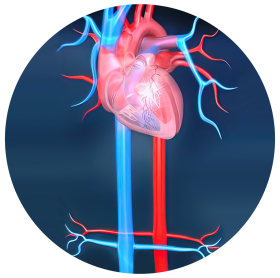
This three-part educational series provides evidence-based updates on current approaches to coronary artery bypass grafting (CABG) through faculty presentations and panel discussions. Faculty will examine approaches to establishing and optimizing robotic CABG programs, bilateral internal thoracic artery grafting and advanced multi-arterial revascularization techniques, and CABG in patients with low left ventricular ejection fraction (LVEF), including Impella-supported and beating-heart CABG. Panel discussions will build on the presented content, highlighting technical considerations, challenging clinical scenarios, and practical approaches to complex CABG care.
| AATS Member | $150 |
| Non-Member | $200 |
| Resident/Fellow | $50 |
| Medical Student | $20 |
| AATS Member Low/Middle Income | $10 |
| Non-Member Low/Middle Income | $20 |
Part 1: Instituting a Robotic CABG Program
Moderated by:
Joseph DeRose, Albert Einstein College of Medicine, Montefiore Medical Center
Robotic CABG: How I Do It (A Step-by-Step Approach – Tips and Pitfalls)
Marc Ruel, University of Ottawa Heart Institute
Training Pathway for Mastering Robotic CABG
Nirav Patel, Lenox Hill
How to Develop a Busy Robotic CABG Program
Michael Halkos, Emory University
Panel Discussion
All faculty
Part 2: Mastering the Use of Bilateral Internal Thoracic Arteries for Multi-Arterial Grafting
Moderated by:
James Yun, Cleveland Clinic
Bilateral Internal Thoracic Artery Grafting: The Art of Using the Free RIMA and Sequential Anastomoses
Daniel Swistel, NYU Langone Health
“T” Grafting, IMA Extension, and Advanced Techniques for BIMA Revascularization: The Importance of IMA Skeletonization
Faisal Bakaeen, Cleveland Clinic
Panel Discussion
All faculty
Session 3: CABG in Low LVEF Patients
Moderated by:
Daniel Goldstein, Montefiore-Einstein
High Risk and Impella Supported CABG
Edward Soltesz, Cleveland Clinic
Beating Heart CABG on CPB
Koji Takeda, NewYork-Presbyterian/Columbia University
Panel Discussion
All faculty
You may also be interested in
Course summary
The individuals in control of content for this activity have no relevant relationships with ACCME-defined ineligible companies (https://accme.org/rule/eligibility/) to disclose unless listed below. All relevant relationships are mitigated in accordance with The Standards for Integrity and Independence in Accredited Continuing Education prior to the start of the activity.
Purpose (Desired Learning Outcome)
Following this activity, learners will apply advanced technical and clinical strategies for robotic CABG, multi-arterial revascularization, and CABG in patients with low LVEF to improve surgical decision-making and procedural practice.
ACCME Accreditation Statement
The American Association for Thoracic Surgery is accredited by the Accreditation Council for Continuing Medical Education (ACCME) to provide continuing medical education for physicians.
AMA Credit Designation Statement
The American Association for Thoracic Surgery designates this Enduring Material for a maximum of 1.75 AMA PRA Category 1 CreditsTM. Physicians should claim only the credit commensurate with the extent of their participation in the activity.
Maintenance of Certification
ABS Recognition Statement
Successful completion of this CME activity enables the learner to earn credit toward the CME requirement of the American Board of Surgery’s Continuous Certification program. It is the CME activity provider’s responsibility to submit learner completion information to ACCME for the purpose of granting ABS credit.
ABTS Recognition Statement
Successful completion of this CME activity enables the learner to earn credit toward the CME of the American Board of Thoracic Surgery’s Maintenance of Certification program. It is the CME activity provider’s responsibility to submit learner completion information to ACCME for the purpose of granting ABTS credit.
For further information on the Accreditation Council for Continuing Medical Education (ACCME) Standards for Integrity & Independence in Accredited Continuing Education, please visit www.accme.org.